
Panchakarma, Explained Plainly
It is not a spa week and it is not a detox in the magazine sense. What Panchakarma actually involves, and who it suits.
Read articleSample article, placeholder copy, to be replaced
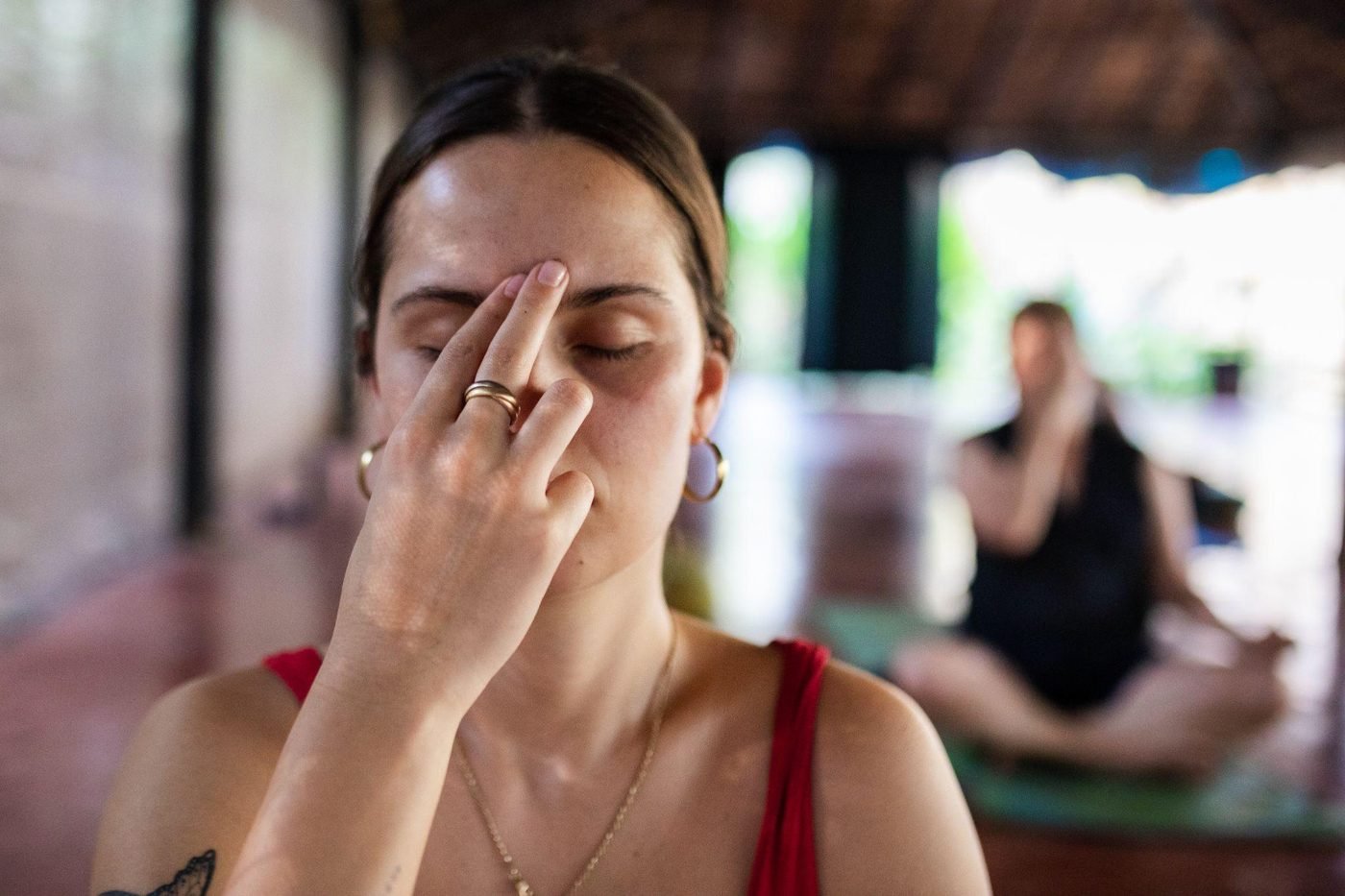
Breathing practices are the part of yoga most often attempted alone and most often attempted wrongly. A short, honest starting point.
Pranayama is not deep breathing. Deep breathing is what you do when somebody tells you to calm down. Pranayama is the deliberate regulation of the breath, its length, its ratio, its pauses, as a way of working on the nervous system and, in the traditional framing, on energy itself.
Nothing works from a collapsed spine. Sit on enough height that the knees fall below the hips and the lower back holds its own curve without effort. A chair is entirely acceptable. The position should be forgettable within a minute; if you are still negotiating with it, change it.
Nadi shodhana, alternate nostril breathing, is the usual starting point, because it is self-correcting. If the breath is forced, it becomes obvious immediately. Begin without any retention at all, equal in and out, for five minutes.
If a breathing practice leaves you tense, you have not done it badly. You have done too much of it.
Retention, holding the breath in or out, and the more forceful practices such as kapalbhati and bhastrika belong under supervision. They are powerful, which is precisely why they are worth learning properly rather than from a video.
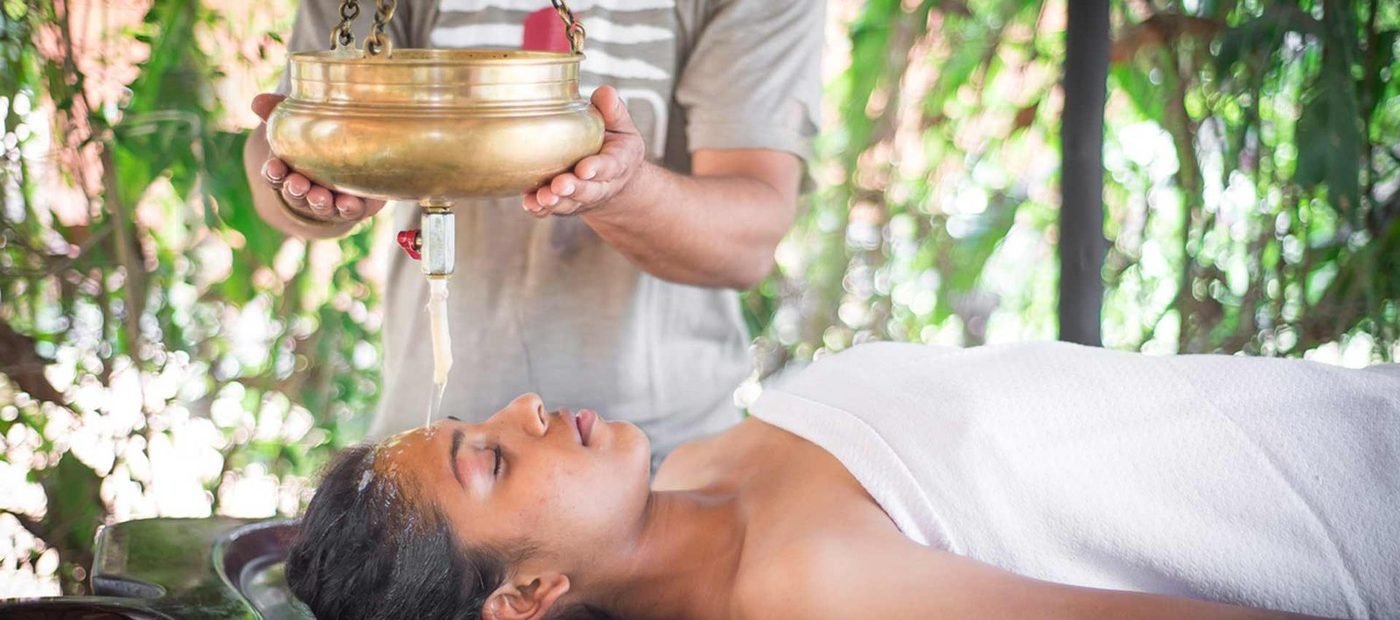 Ayurveda
It is not a spa week and it is not a detox in the magazine sense. What Panchakarma actually involves, and who it suits.
Read article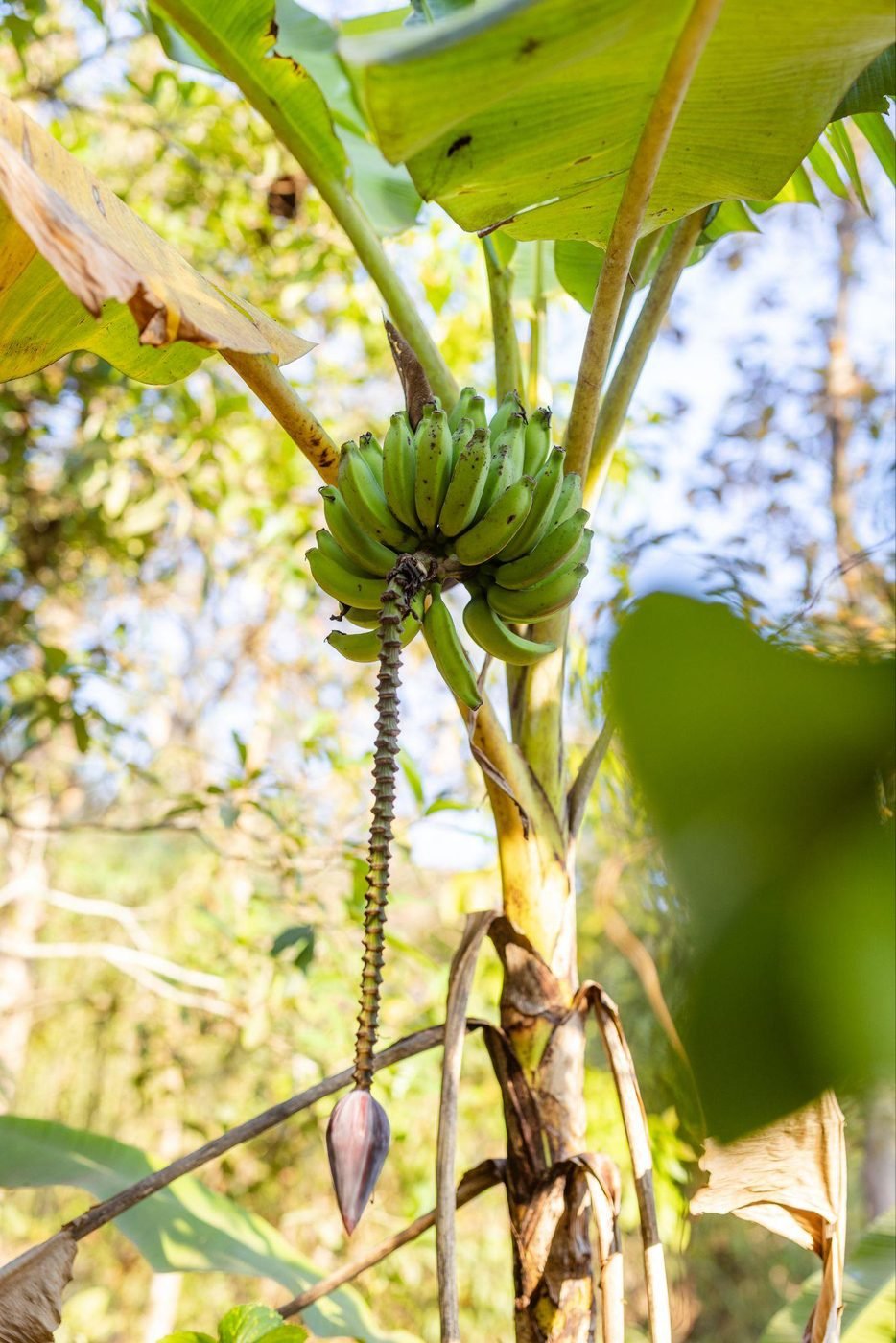 Food
Not bland, not raw, and not a diet. A short guide to the principle behind the food served at an ashram kitchen.
Read article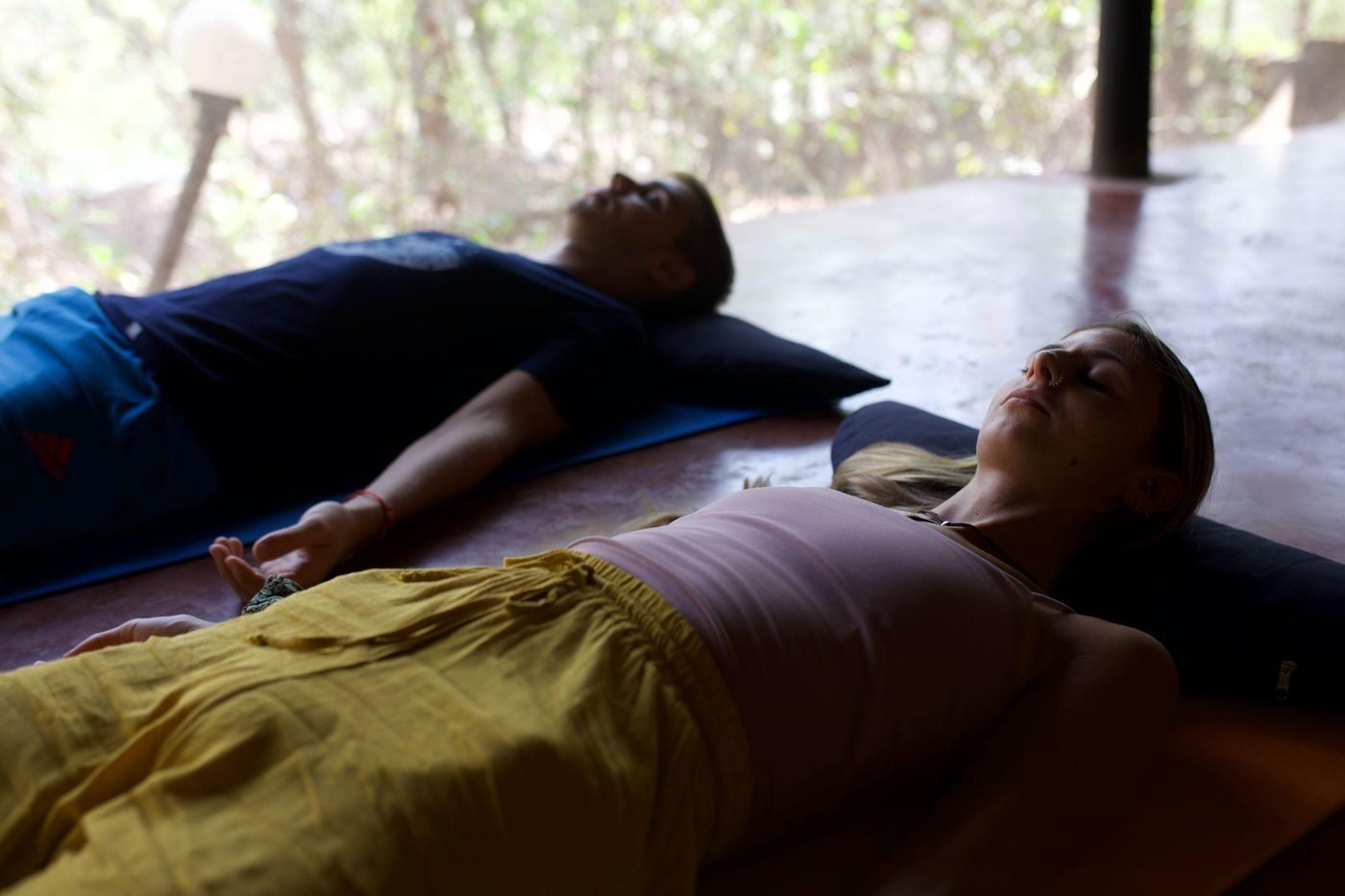 Practice
Lying still with your eyes closed while somebody talks. It sounds like the easiest practice in yoga. It is not.
Read articleEverything written here is taught in person, in sequence, at the ashram in Assagao.