
What Sattvic Food Actually Means
Not bland, not raw, and not a diet. A short guide to the principle behind the food served at an ashram kitchen.
Read articleSample article, placeholder copy, to be replaced
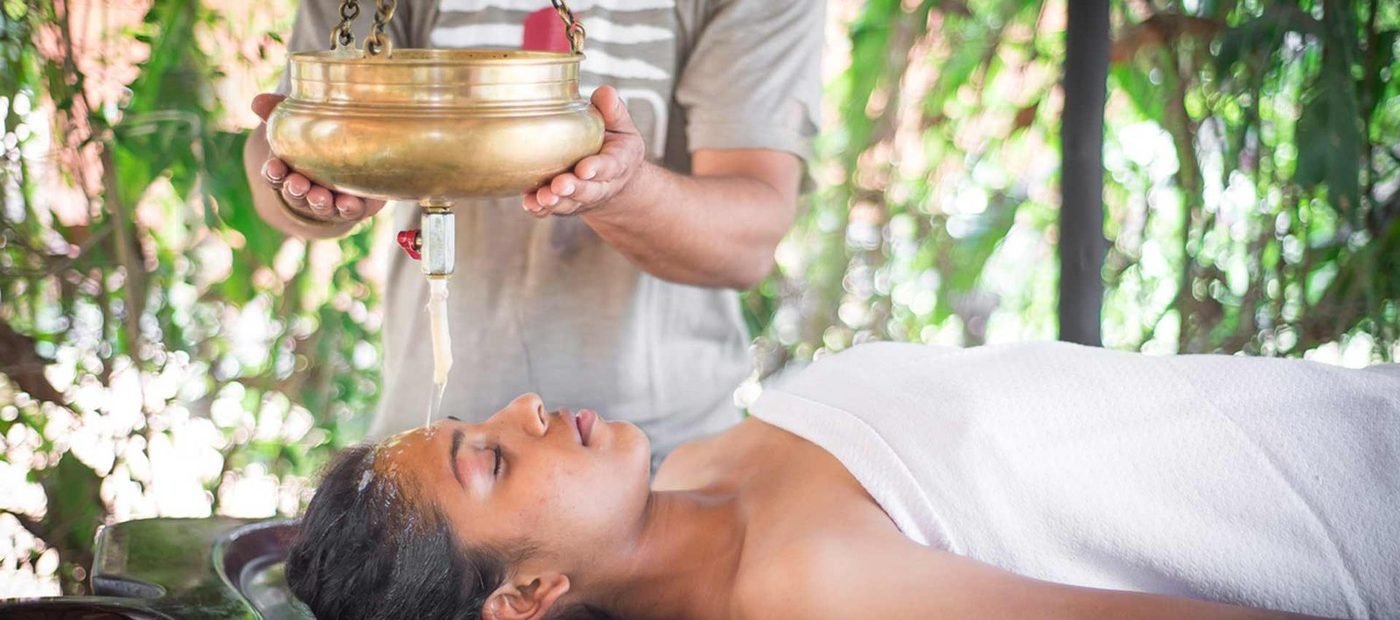
It is not a spa week and it is not a detox in the magazine sense. What Panchakarma actually involves, and who it suits.
Panchakarma means five actions. It is the classical Ayurvedic programme of preparation, elimination and rebuilding, and it is a medical procedure rather than a treat. Most of its reputation in the West comes from the massage, which is the part that photographs well and the part that matters least.
The treatments are the visible part of Panchakarma. The diet, the rest and the staged return afterwards are where most of the result comes from.
Each phase has to be allowed to finish. A two-week programme is the shortest that permits a genuine sequence; three and four week programmes exist because some constitutions and some complaints need the preparation to run longer before anything else begins.
Panchakarma is not appropriate during pregnancy, during acute illness, or alongside certain medications. A consultation before booking is not a formality, it decides whether the programme goes ahead at all, and in what form.
Expect to be tired in the middle of it. That is the programme working, not failing.
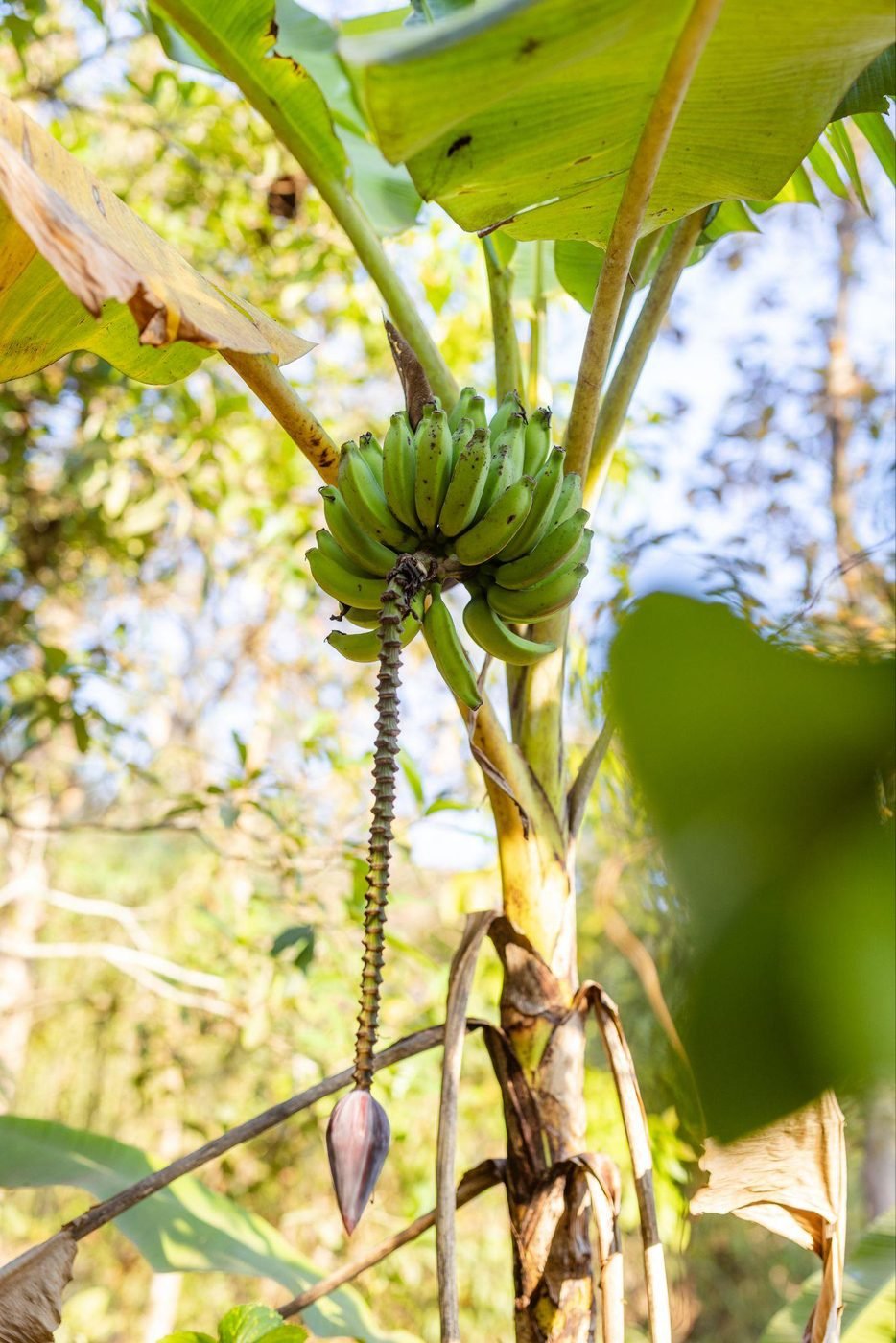 Food
Not bland, not raw, and not a diet. A short guide to the principle behind the food served at an ashram kitchen.
Read article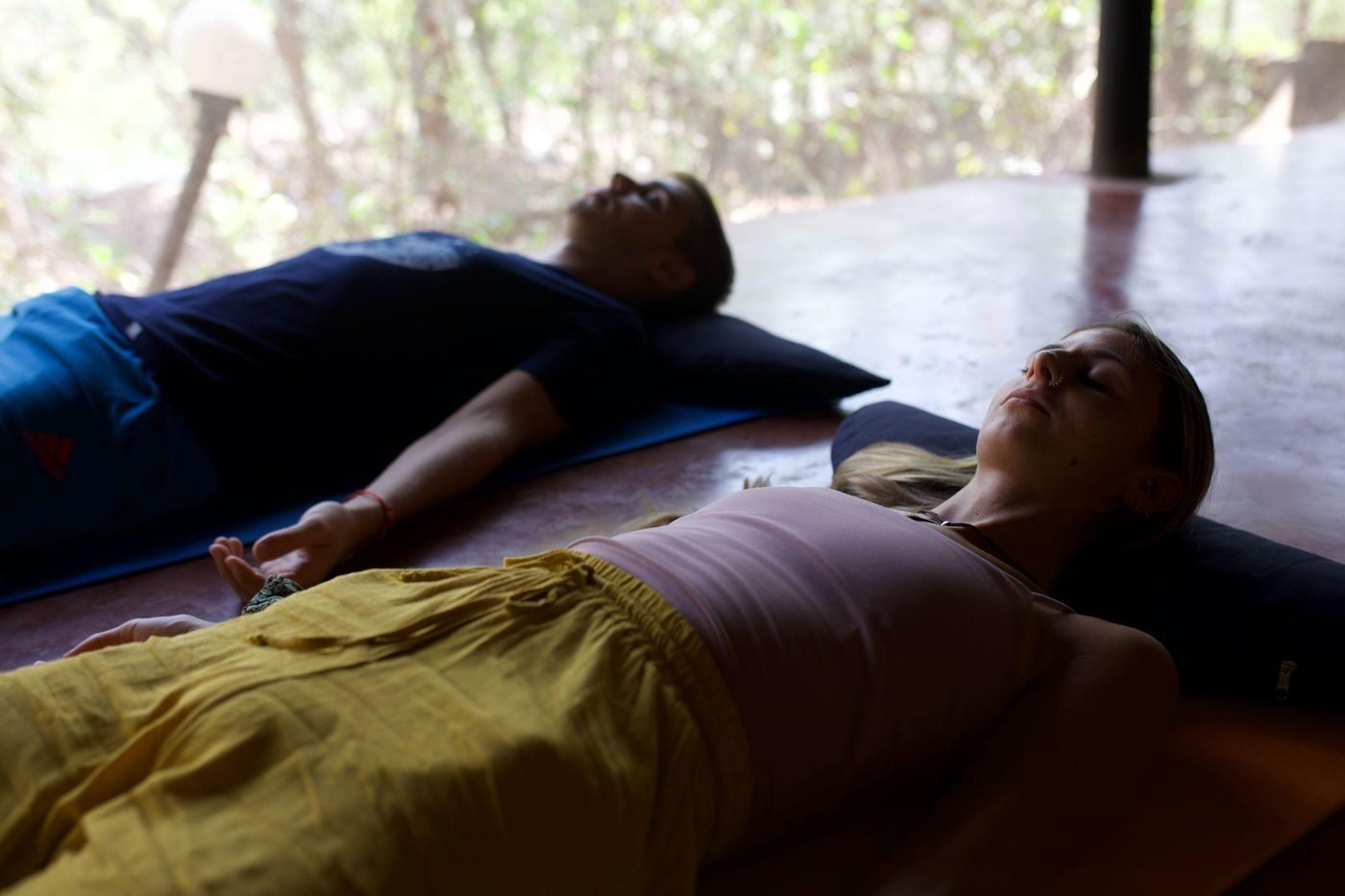 Practice
Lying still with your eyes closed while somebody talks. It sounds like the easiest practice in yoga. It is not.
Read article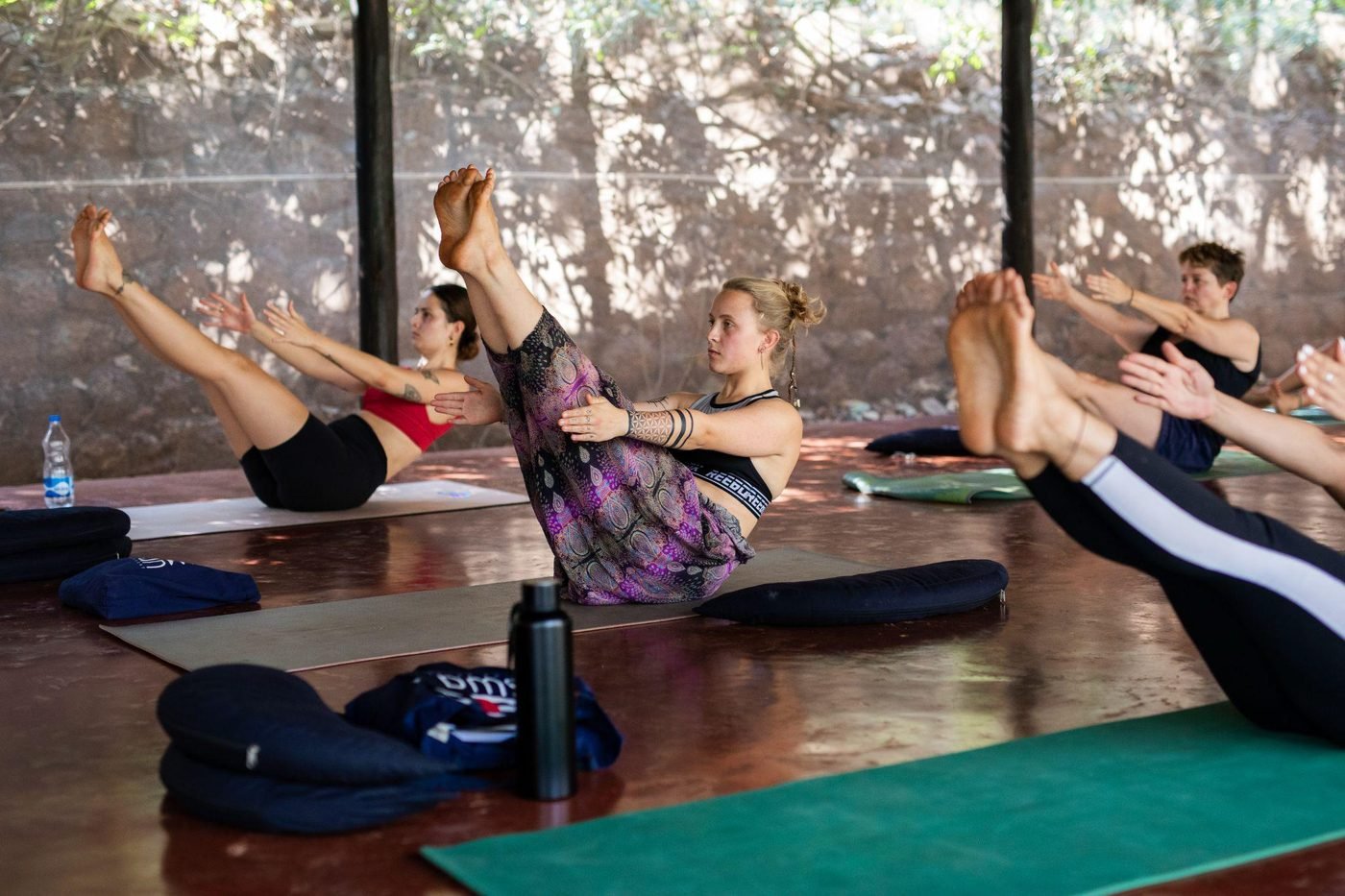 Retreats
Arriving somewhere you have never been, to do something you have never done, with people you have never met. Here is what the first few days actually look like.
Read articleEverything written here is taught in person, in sequence, at the ashram in Assagao.