
Pranayama for Beginners: Where to Start
Breathing practices are the part of yoga most often attempted alone and most often attempted wrongly. A short, honest starting point.
Read articleSample article, placeholder copy, to be replaced
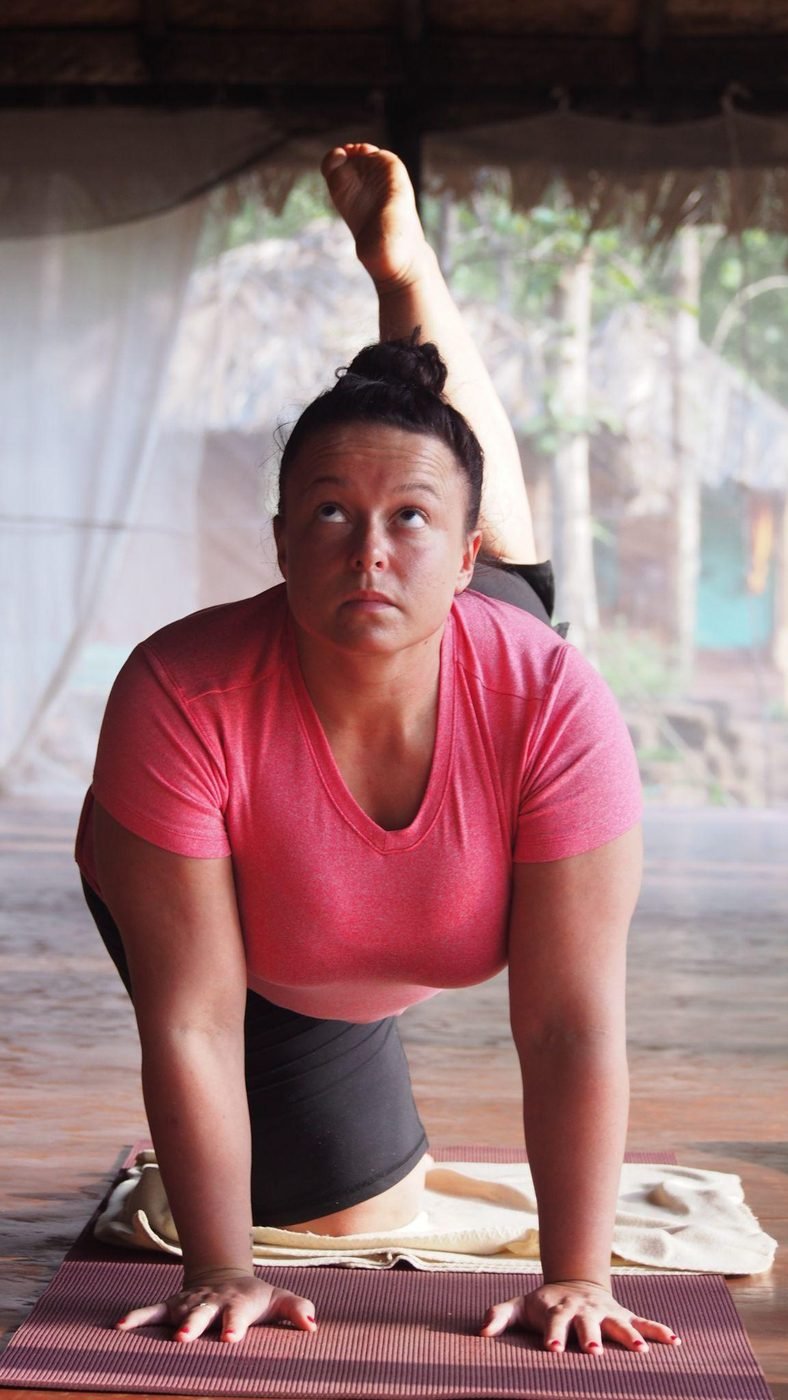
In the tradition we teach, posture is one limb of a much larger practice, and not the one that does most of the work.
If you learned yoga in a studio in the last twenty years, you most likely learned asana and very little else. That is not a criticism of studio yoga; it is a description of what fits into a sixty-minute class. But it leaves out most of what the word Hatha has historically referred to.
The Hatha Yoga Pradipika and the texts around it treat posture as preparation. The work that follows is done with breath, with internal locks, with gesture and with attention.
Asana was never the destination. It was how you made sitting still bearable for long enough to do the real work.
Practised out of sequence, these techniques are at best ineffective and at worst destabilising. Pranayama taught before the body is settled tends to produce agitation rather than calm. This is one reason residential training exists: the sequence takes longer than a weekly class allows.
Very little, at first. A beginner practises asana, learns to breathe through the nose, and waits. The rest arrives when the foundation is there to carry it, which is a slower answer than most of us want, and the correct one.
 Practice
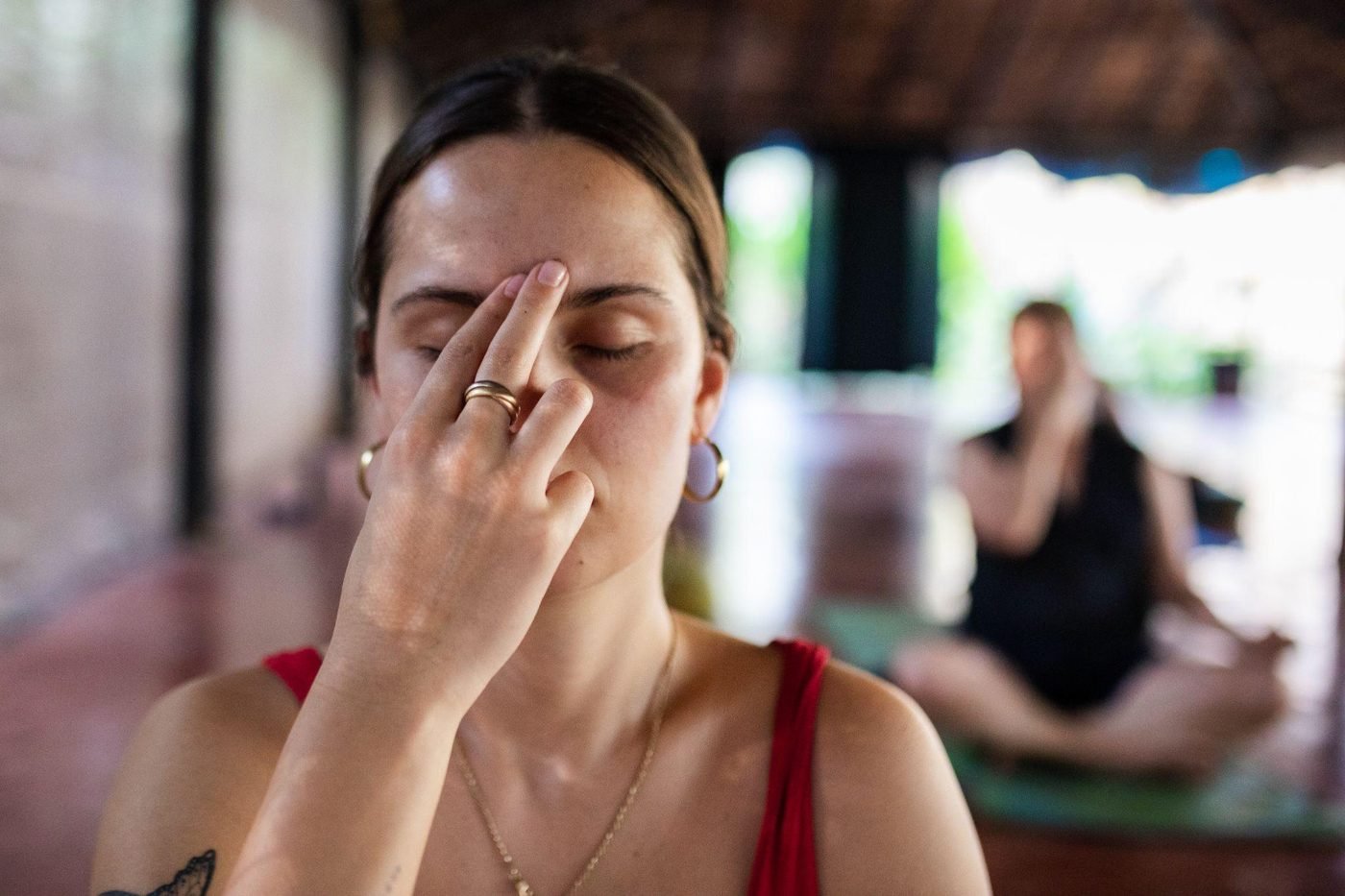
Breathing practices are the part of yoga most often attempted alone and most often attempted wrongly. A short, honest starting point.
Read article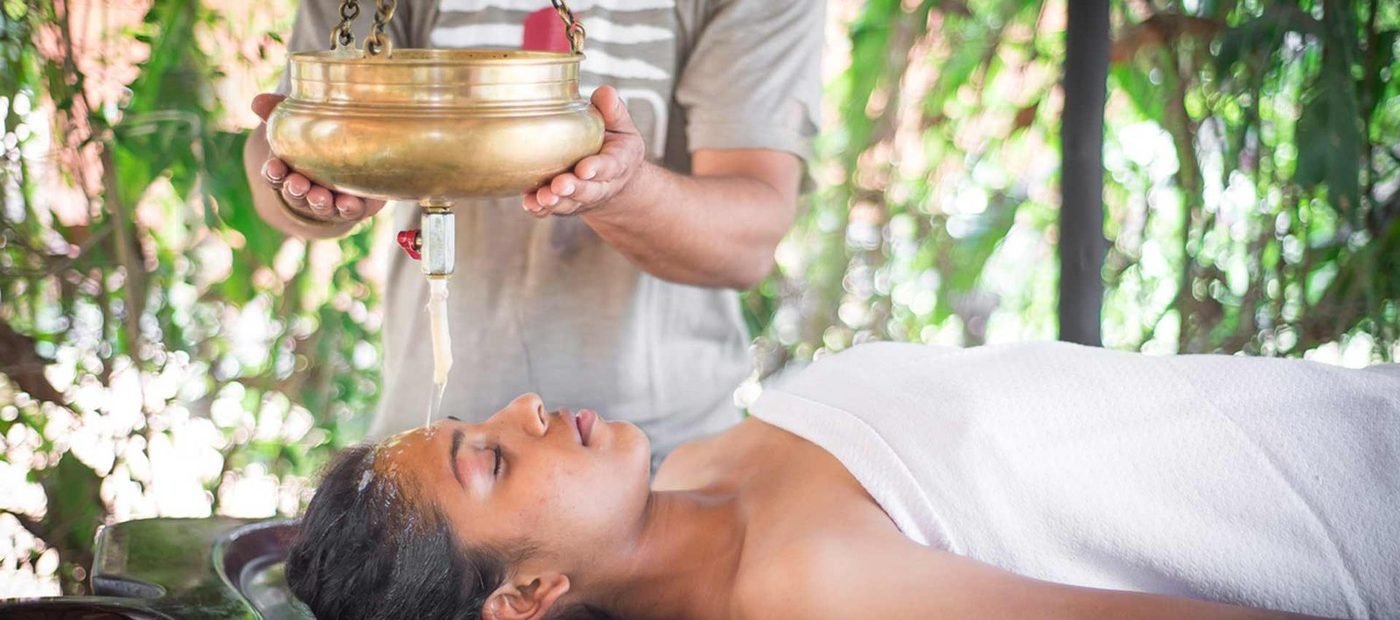 Ayurveda
It is not a spa week and it is not a detox in the magazine sense. What Panchakarma actually involves, and who it suits.
Read article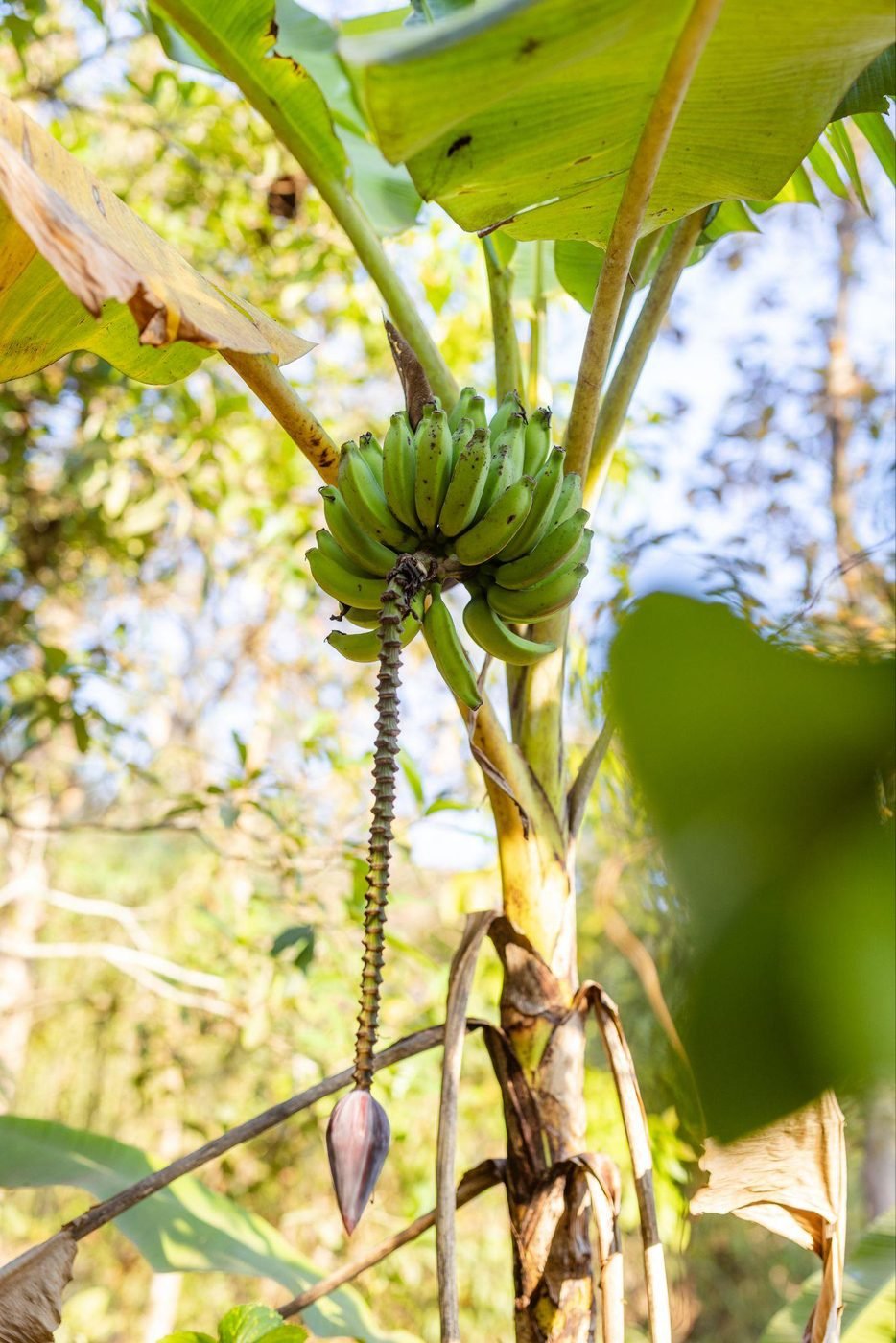 Food
Not bland, not raw, and not a diet. A short guide to the principle behind the food served at an ashram kitchen.
Read articleEverything written here is taught in person, in sequence, at the ashram in Assagao.